

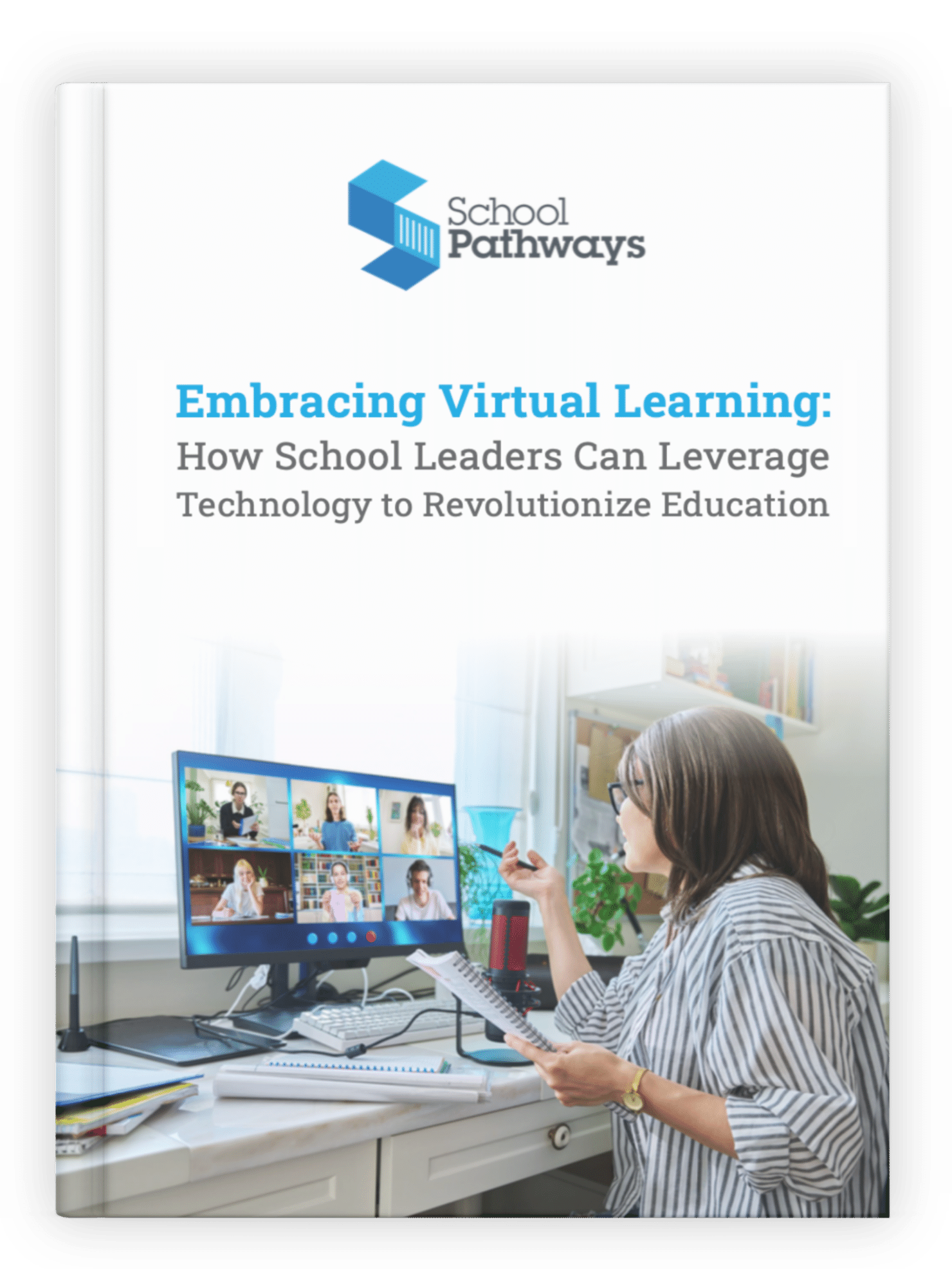
The digital landscape of education is constantly evolving, pushing us to rethink traditional teaching methods and explore innovative approaches to engage learners. In this journey of educational transformation, embracing new technologies and tools for online learning is no longer a choice but a necessity for educators who want to create impactful and effective learning experiences. Explore how embracing new technologies and tools for online learning can transform education, enhance engagement, and create impactful learning experiences for students. But where do we even begin with all these new advancements?
The rise of online learning platforms, interactive simulations, and virtual reality environments opens doors to unprecedented opportunities for personalized and engaging learning. Imagine students dissecting a frog in a virtual lab, collaborating on a project with peers across the globe, or receiving immediate feedback on their work through AI-powered assessment tools. The possibilities are truly endless. These technological advancements can help cater to diverse learning styles and provide equitable access to quality education for learners across geographical boundaries.
The challenge lies in effectively integrating these technologies into our teaching practices. It’s not just about adopting the latest gadgets or software; it's about thoughtfully designing learning experiences that leverage the unique capabilities of these tools to achieve specific educational goals. We need to shift our focus from simply delivering content to facilitating active learning, promoting collaboration, and fostering critical thinking skills. By doing so, we can transform online learning from a passive experience into a dynamic and engaging journey for our students.
Ultimately, embracing new technologies and tools for online learning is about empowering both educators and learners. It's about equipping educators with the resources they need to create innovative and effective learning experiences and providing learners with the opportunities to thrive in a rapidly changing world. By embracing this transformative approach, we can unlock the full potential of online learning and pave the way for a brighter future for education.
The Why Behind the Tech: Unveiling the Motivations
Why should we even bother trying out all these newfangled technologies in the first place? Seriously, isn't the old whiteboard and textbook combo good enough? Well, maybe, maybe not. The truth is, the world has changed, and so have our students. They're digital natives, born and bred with screens in their hands. Trying to teach them with methods that feel outdated is like trying to communicate with them in a language they don't understand.
Meeting Students Where They Are
One of the biggest motivations for embracing new technologies and tools for online learning is simply to meet students where they are. They're already spending hours online, so why not leverage that digital fluency to create more engaging and relevant learning experiences? Think about it: instead of lecturing about history, you could have them explore a virtual museum or create a digital timeline. Instead of reading about science experiments, they could conduct simulations and analyze data in real time.
Personalization and Flexibility: The Keys to Success
Another key motivation is the desire for more personalized and flexible learning experiences. Not all students learn at the same pace or in the same way. Some thrive in collaborative environments, while others prefer to work independently. New technologies and tools can help us cater to these diverse learning styles and provide students with the support they need to succeed. For example, AI-powered tutoring systems can provide personalized feedback and guidance, while adaptive learning platforms can adjust the difficulty level based on a student's performance.
Overcoming Barriers: Access and Equity
And let's not forget the importance of access and equity. Online learning has the potential to break down geographical barriers and provide educational opportunities to students who might not otherwise have access. Embracing new technologies and tools can help us create more inclusive and equitable learning environments for all. For instance, captioning and translation tools can make online content accessible to students with disabilities or those who speak different languages.
Staying Relevant: Preparing Students for the Future
Finally, embracing new technologies and tools for online learning is about preparing students for the future. The skills they need to succeed in the 21st century are different than the skills required in the past. They need to be able to think critically, solve problems creatively, collaborate effectively, and communicate clearly. By integrating technology into our teaching practices, we can help them develop these essential skills and prepare them for the challenges and opportunities that lie ahead. It’s about giving them the tools they need to not just survive, but thrive in the modern world.
My Journey into the Unknown: The Experiment Begins
Okay, so I'm convinced. New tech is important. But how do you actually start? I'm not going to lie, the whole process felt a bit daunting at first. There are so many different technologies and tools out there, it's hard to know where to begin. It was time to take the plunge and see what these new tools could really do.
The Initial Hesitation and the First Steps
My initial reaction was a healthy dose of skepticism. I'd seen colleagues get caught up in the hype of new technology only to be disappointed by its limitations or frustrated by its complexity. But I also knew that I couldn't afford to be complacent. I had to be willing to experiment and learn.
My first step was to do some research. I read articles, attended webinars, and talked to other educators who were already using new technologies in their classrooms. I quickly realized that there was no one-size-fits-all solution. The best technologies and tools for me would depend on my specific teaching goals and the needs of my students.
Trial and Error: The Ups and Downs
Armed with a little knowledge and a lot of curiosity, I started experimenting with different tools. Some were instant hits, while others were complete flops. I tried using a virtual reality platform to teach anatomy, but my students found it disorienting and difficult to navigate. On the other hand, an interactive simulation of a chemical reaction proved to be a huge success. Students were able to manipulate variables, observe the results in real time, and develop a deeper understanding of the concepts.
There were definitely moments of frustration along the way. I spent hours troubleshooting technical glitches, wrestling with clunky interfaces, and trying to figure out how to integrate these new tools into my existing curriculum. But I also experienced moments of pure joy when I saw my students engaged and excited about learning.
The Unexpected Discoveries
One of the biggest surprises was the power of collaboration. I started using a collaborative whiteboard tool to facilitate brainstorming sessions and group projects. I was amazed at how much more engaged and creative my students were when they were able to work together in real time, regardless of their physical location. The technology seemed to break down barriers and foster a sense of community.
Another unexpected discovery was the importance of feedback. I started using an AI-powered assessment tool to provide students with immediate feedback on their writing assignments. The tool was able to identify common errors, suggest improvements, and provide personalized guidance. My students found the feedback incredibly helpful, and their writing skills improved dramatically.
Feeling the Feels: Anxiety, Excitement, and Everything In Between
Throughout the process, I experienced a wide range of emotions. There were moments of anxiety when I felt overwhelmed by the technology or when things didn't go as planned. There were moments of excitement when I saw my students making breakthroughs or when I discovered a new tool that had the potential to transform my teaching. And there were moments of frustration when I felt like I was spending more time troubleshooting technology than actually teaching.
But overall, the experience was incredibly rewarding. I learned so much about myself as an educator, about my students, and about the power of technology to enhance learning.
The Final Verdict: Success, Failures, and Lessons Learned
So, did my experiment with embracing new technologies and tools for online learning pay off? The answer is a resounding yes… with a few caveats. Not every tool was a winner, and there were definitely some bumps along the road. But overall, the experience was transformative.
The Wins: Engagement, Collaboration, and Deeper Understanding
The biggest win was the increase in student engagement. By using interactive simulations, virtual reality environments, and collaborative tools, I was able to create more immersive and engaging learning experiences. My students were more motivated to learn, more likely to participate in class discussions, and more willing to take risks.
Another significant win was the improvement in collaboration. The collaborative whiteboard tool allowed students to work together in real time, regardless of their location. This fostered a sense of community and allowed students to learn from each other.
And perhaps most importantly, I saw a deeper understanding of the concepts. By using technology to visualize abstract ideas and provide personalized feedback, I was able to help my students grasp complex topics more easily.
The Fails: Not Every Tool is a Winner
Of course, not every tool was a winner. The virtual reality anatomy platform was a flop, and I had to abandon it after a few weeks. I also tried using a gamified learning platform, but my students found it distracting and ultimately unhelpful. The key is to be willing to experiment and to learn from your mistakes. Not every technology is going to be a good fit for every student or every subject.
Key Takeaways: Practical Tips and Reflections
So, what did I learn from this whole experience? Here are a few key takeaways:
Start small: Don't try to implement too many new technologies at once. Start with one or two tools that you're comfortable with and gradually add more as you gain experience. Focus on pedagogy, not technology: The technology should be a tool to enhance your teaching, not the other way around. Always focus on the learning objectives and choose technologies that will help you achieve those objectives. Get feedback from your students: Ask your students what they think of the new technologies and tools you're using. Their feedback is invaluable and can help you make informed decisions about what to keep and what to discard. Be patient: It takes time to learn how to use new technologies effectively. Don't get discouraged if things don't go perfectly at first. Just keep experimenting and learning. Embrace failure: Not every technology is going to be a success. That's okay. Learn from your mistakes and move on. Don't be afraid to ask for help: There are plenty of resources available to support educators who are embracing new technologies and tools for online learning . Don't be afraid to ask for help from colleagues, technology specialists, or online communities.
Reframing My Perspective: A New View on Education
This journey into the world of online learning technology really shifted my perspective. It made me realize that being an educator isn't just about delivering information; it's about creating engaging and meaningful learning experiences. It's about empowering students to take ownership of their learning and to develop the skills they need to succeed in a rapidly changing world. It's about seeing technology not as a threat, but as a powerful tool that can help us achieve our educational goals.
FAQ: Your Burning Questions Answered
Still got questions swirling around in your head? Don't worry, you're not alone. Embracing new technologies and tools for online learning can be a bit overwhelming at first. Let's tackle some of the most frequently asked questions.
Getting Started: The Basics
What are some easy technologies to start with for someone new to online learning tools?
If you're just starting out, focus on tools that are user-friendly and have a clear educational purpose. Consider:
Interactive Presentation Software: Like Prezi or Canva, allows you to create visually engaging presentations with interactive elements. Online Quiz and Survey Tools: Like Google Forms or SurveyMonkey, lets you create quick quizzes and surveys to assess student understanding and gather feedback. Collaborative Whiteboards: Like Miro or Google Jamboard, great for brainstorming sessions and group projects, even when students are remote. Video Conferencing Platforms: Like Zoom or Google Meet, essential for live lectures, office hours, and student meetings. Learning Management System (LMS) Basics: Familiarize yourself with the fundamental features of your LMS (e.g., uploading content, creating assignments, managing grades).
How can I choose the right technology for my students?
Think about your students' needs and your learning objectives. Consider:
Age and Tech Proficiency: Choose tools that are age-appropriate and that your students can easily use. Learning Styles: Select technologies that cater to different learning styles (e.g., visual, auditory, kinesthetic). Accessibility: Ensure that the tools you choose are accessible to all students, including those with disabilities. Budget: Consider the cost of the technology and whether there are free or low-cost alternatives available.
Engagement and Interaction: Keeping Students Involved
How can I make online learning more engaging?
Engagement is key! Try these strategies:
Incorporate interactive activities: Use polls, quizzes, and games to keep students actively involved. Create opportunities for collaboration: Encourage students to work together on projects and assignments. Use multimedia: Incorporate videos, audio recordings, and images to make your content more visually appealing. Personalize the learning experience: Provide students with choices and options to cater to their individual needs and interests. Provide timely and constructive feedback: Let students know that you're paying attention to their progress and that you're there to support them.
How do I encourage student participation in online discussions?
Sparking lively online discussions can be challenging, but here are some tips:
Start with engaging prompts: Ask open-ended questions that encourage students to share their thoughts and opinions. Model good discussion etiquette: Show students how to respond respectfully to each other's posts. Provide feedback on student contributions: Acknowledge and respond to student posts to let them know that their contributions are valued. Use different discussion formats: Experiment with different discussion formats, such as debates, role-playing, and case studies. Create a sense of community: Foster a supportive and inclusive online environment where students feel comfortable sharing their ideas.
Addressing Challenges: Troubleshooting Tips
What do I do when the technology doesn't work?
Tech glitches are inevitable! Here's how to handle them:
Have a backup plan: Always have a backup plan in case the technology fails. Troubleshoot common problems: Learn how to troubleshoot common technical problems, such as audio issues or connectivity problems. Provide technical support: Offer technical support to students who are struggling with the technology. Be patient: Remember that technology can be frustrating for everyone. Be patient and understanding with your students.
How do I deal with students who are resistant to using new technologies?
Some students might be hesitant to try new technologies. Here's how to encourage them:
Explain the benefits: Help students understand how the technology will benefit them. Provide training and support: Offer training and support to help students learn how to use the technology. Start small: Introduce new technologies gradually and in a low-stakes environment. Recognize and reward effort: Acknowledge and reward students for their effort in learning new technologies.
The Future of Online Learning: What's Next?
What are some emerging trends in online learning?
The future of online learning is exciting! Here are a few trends to watch:
Artificial Intelligence (AI): AI is being used to personalize learning, provide feedback, and automate administrative tasks. Virtual and Augmented Reality (VR/AR): VR and AR are being used to create immersive and engaging learning experiences. Blockchain Technology: Blockchain is being used to create secure and verifiable digital credentials. Microlearning: Microlearning involves breaking down complex topics into smaller, more manageable chunks. Personalized Learning: Tailoring learning experiences to meet the individual needs and interests of each student.
How can I stay up-to-date on the latest trends in online learning?
Staying informed is key! Here's how:
Read industry publications: Subscribe to online journals and magazines that focus on online learning. Attend conferences and webinars: Attend conferences and webinars to learn from experts in the field. Network with other educators: Connect with other educators who are interested in online learning. Experiment with new technologies: Don't be afraid to try out new technologies and tools.
Final Thoughts: Embracing the Future
Ultimately, embracing new technologies and tools for online learning is about more than just using the latest gadgets. It's about transforming the way we teach and learn. It's about creating more engaging, personalized, and equitable learning experiences for all students. While the journey may have its bumps, the potential rewards are immense. So, take a deep breath, be open to experimentation, and embrace the exciting possibilities that technology offers in the world of education. The future of learning is here, and it's waiting to be shaped.
